Korean Traditional Cuisine Guide|6 Authentic Flavors Tourists Don’t Know About
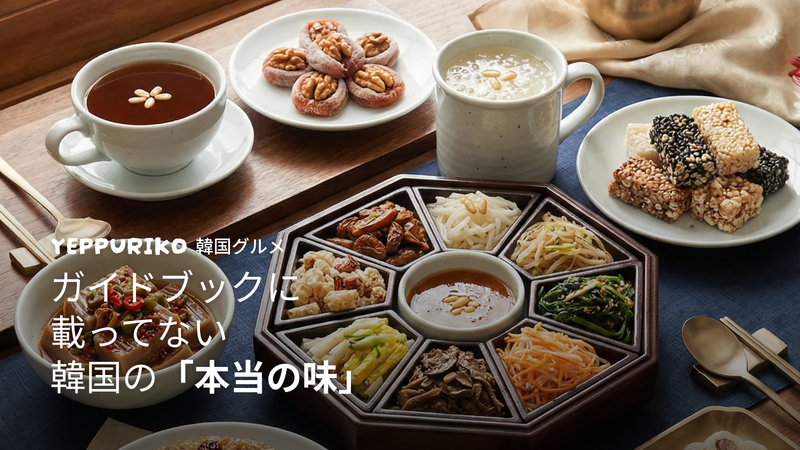
🍵Discoveries from My Trip to Korea!|6 Little-Known Korean Traditional Dishes

Brought to you by イェプリコ, Korea’s one-stop guide for enjoying Korean beauty, travel, and cuisine with peace of mind.
Samgyeopsal, tteokbokki, chicken…
When you think of Korean cuisine, these classic dishes are probably the first to come to mind.
But in fact, Korea is home to many “hidden traditional dishes” that tourists don’t know much about.
Today, we’re introducing six little-known traditional dishes that Korean people have cherished for generations✨

🍵 Sujeonggwa|Traditional cinnamon-scented dessert drink

A traditional Korean dessert drink made by simmering cinnamon and ginger.
It is characterized by its sweet and refreshing flavor, with dried persimmons and pine nuts floating in it.
It is enjoyed as an after-meal drink and is often served during New Year celebrations and festive occasions.
✅ Recommended for occasions like these
As a dessert substitute after overeating. It tastes even better when served chilled!
🥤 Sikhye (Sikhye) | Sweet rice drink fermented with malt
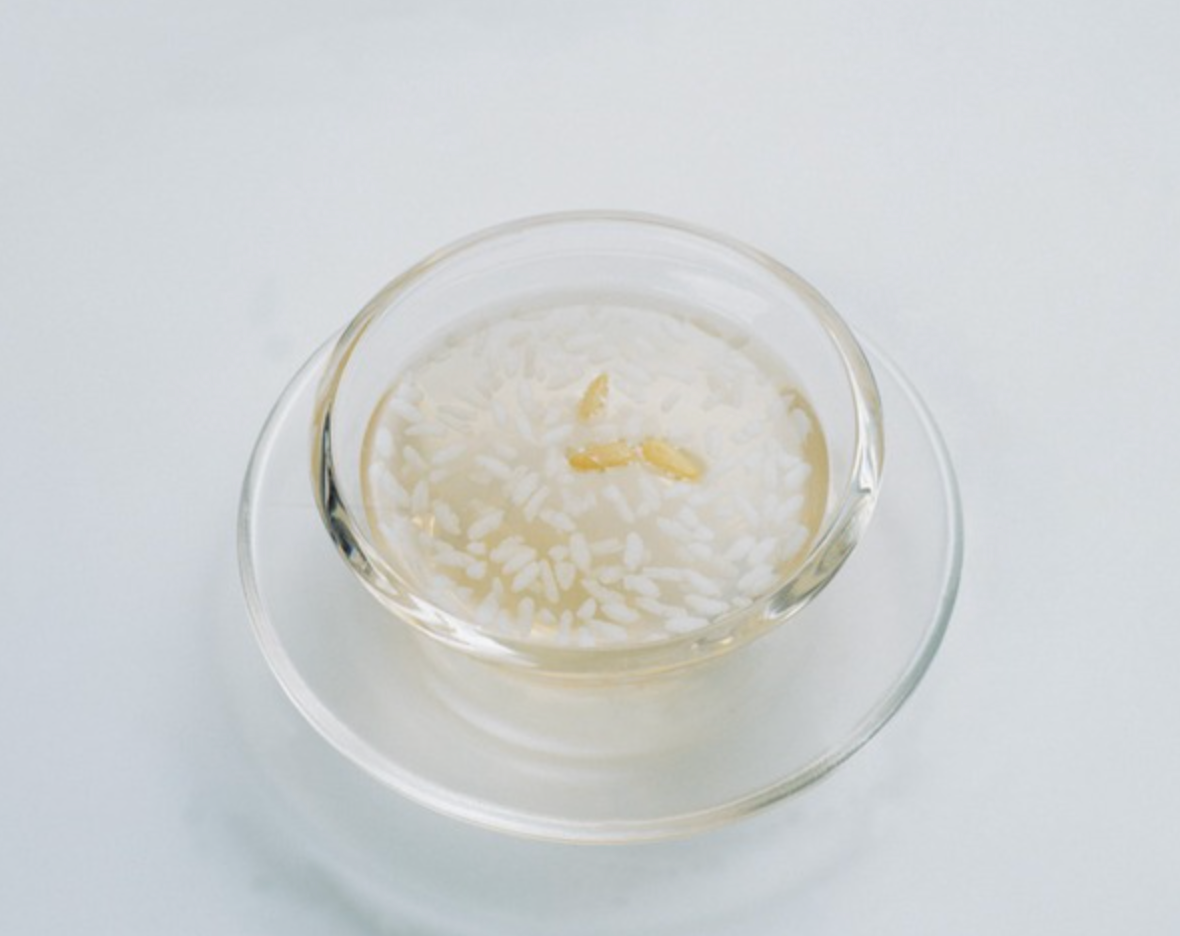
This is a sweet rice drink fermented with malt.
It is said to aid digestion and is enjoyed as a staple drink during New Year's celebrations and festive occasions.
It is also commonly seen at jjimjilbangs (Korean saunas), and is a classic drink for Koreans.
🍚 Yaksik (Yaksik) | Traditional medicinal sweet rice

A traditional glutinous rice dish made by mixing chestnuts, jujubes, and pine nuts into sweet rice, then seasoning it with soy sauce, sesame oil, and honey.
Its name means “food that becomes medicine,” and it is often enjoyed at celebrations as an auspicious dish.
It is characterized by its chewy texture and subtly sweet-and-salty flavor, making it irresistibly delicious once you try it.
😋 What does it taste like?
It is somewhat similar to Japan’s sekihan, but the flavors of soy sauce and sesame oil are added, creating a more fragrant and richly savory taste.
The natural sweetness of the chestnuts and jujubes pairs perfectly with the soft, chewy texture of the glutinous rice.
🥢 Acorn Muk|A Healthy, Bouncy Texture

A traditional dish made from acorn powder, with a texture similar to agar.
It has a unique, bouncy texture and is typically served with a spicy seasoning sauce.
Since it is low in calories and healthy, it is also recommended for those on a diet.
If you see it at a market or eatery, be sure to give it a try.
✅ Tips for eating
Enjoying it with vegetables or kimchi makes it even more delicious!
🎨 Gujeolpan|An Edible Work of Art

A Korean royal court dish eaten by wrapping eight types of ingredients in thin wrappers.
The colorful ingredients arranged beautifully look just like a work of art.
Not only is it visually stunning, but it is also a luxurious dish that lets you enjoy the flavors and textures of various ingredients all at once.
🍽️ How do you eat it?
Place a little of the eight ingredients arranged around the center onto a thin wrapper, then roll it up and eat it.
The charm of Gujeolpan lies in being able to enjoy a different combination each time.
🌸 Hwajeon (Flower Pancake)|Beautiful Rice Cakes Made with Seasonal Flower Petals
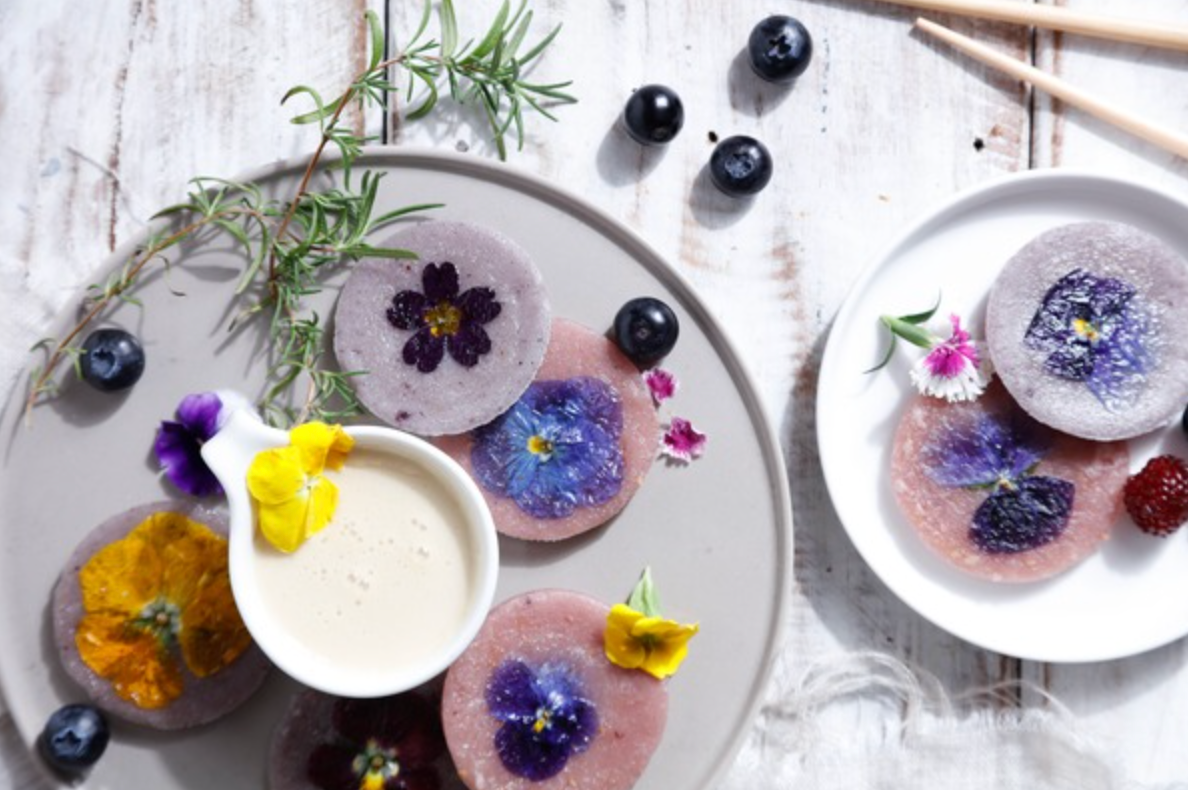
Traditional Korean rice cakes grilled with seasonal flower petals placed on top.
Azaleas are used in spring and chrysanthemums in autumn, allowing you to enjoy different kinds of beauty depending on the season.
Elegant in both appearance and flavor, this is truly a dish worthy of being called “edible art.”
You can often find them at traditional Korean cuisine restaurants and traditional cafés in the Insadong and Samcheong-dong areas.
📍 Where Can You Eat Them? Recommended Spots
🏪 Traditional Markets
At traditional markets in Seoul, such as Gwangjang Market and Tongin Market, you can discover a variety of traditional dishes.
The appeal lies in being able to easily enjoy old-fashioned flavors, such as acorn jelly and yakshik.
🍽️ Korean Course Meal Restaurants
If you want to enjoy authentic Korean cuisine, Korean course meal restaurants are highly recommended.
You can savor dishes such as gujeolpan and hwajeon in a royal cuisine course.
♨️ Jjimjilbangs
Sikhye and sujeonggwa can be enjoyed casually at jjimjilbangs.
Sikhye enjoyed after sweating it out in the sauna tastes exceptionally delicious.
☕ Traditional Cafés in the Insadong・Samcheongdong Area
Cafés where you can enjoy hwajeon and sujeonggwa in a traditional atmosphere are scattered throughout the area.
It is an area where you can experience Korea's traditional culture while taking your time and enjoying a leisurely moment.
✨ In Summary
Famous Korean dishes are wonderful, but learning about these “flavors treasured by Koreans” may make you love Korea even more.
On your next trip to Korea, why not visit a market or traditional café in search of traditional dishes not featured in guidebooks?
You are sure to discover a new side of Korea’s charm🇰🇷✨
Bringing Korea closer to you.
We brought you reliable Korean information from 『イェプリコ』.
Related Columns
- Perilla Dishes in Seoul: The Definitive Guide to 6 Top Restaurants
- 【Korean Food】A Famous Kimchi Jjigae Restaurant in Gangnam, “Tonggane”
- A Hidden Gem in Anguk: “Jinjaku Kaki” — A New Korean-Japanese Fusion Experience
- Late-Night Gourmet in Gangnam|Complete Guide to【Idepaltchukmi】, a Webfoot Octopus Specialty Restaurant Open Until 6 a.m.
- Korean vegetable bread makes its Osaka debut! Limited time at Hankyu Umeda Main Store.
- 【Pumasi (품앗이)】A night in Korea calls for tofu kimchi and makgeolli.