Korean Diet Supplement Ranking TOP 20 | Why Protein Shakes Dominated the Top Spots


Top 20 Korean Diet Supplements | Why Protein Shakes Dominated the Rankings
Two numbers—“easy to drink” and “3,900 won”—have rewritten the map of the rankings.
Open the diet supplement rankings on Korea’s review platform Glowpick (as of April 2026), and one fact immediately stands out. The top spots are almost entirely filled by protein shakes from Delight Project. Natti Choco is in first place, Corn Castella in second, and Black Sesame Injeolmi in fourth. Three flavors from the same brand occupy three of the top four spots.
At YEPPURIKO, we regularly monitor Glowpick’s rankings and continue tracking changes in local reviews. From that perspective, we’ll examine why this particular top 20 has emerged.
The key point: The winner of the Korean diet supplement rankings was not a “specialized supplement that seems like it will work,” but a “delicious protein shake that’s easy to continue drinking every day.”
Why Delight Project’s Protein Shakes Dominated the Top Spots
The answer is simple: they’re affordable and they don’t taste bad.
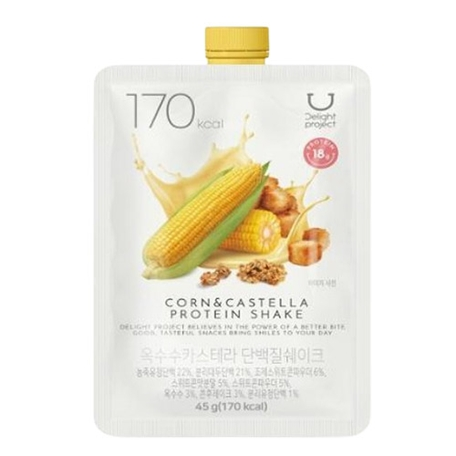
One 45g packet costs 3,900 won. At just under 500 yen, the price feels more like a convenience-store drink than a supplement. In addition, when a 1+1 sale is offered at Olive Young (Korea’s leading H&B store), users rush to stock up. The purchasing pattern of “buying in bulk during sales” drives up the number of reviews.
And then there’s the taste. Reviews repeatedly mention that “it doesn’t have that strange protein taste” and that “it’s easy to drink, like Chocoemon (chocolate milk).” Most people who give up on protein shakes do so because of the taste. Eliminating that hurdle is directly reflected in the rankings.
The Shift from “Losing Weight with Supplements” to “Replacing a Meal”
This ranking accurately reflects what Korean consumers are looking for. They are not seeking a magic solution, but a realistic meal-replacement option.
The fact that three of the four products from first to fourth place are Korean-made protein shakes shows that the idea of “losing weight by taking supplements” is no longer mainstream. Instead, people replace breakfast or snacks with a protein shake to naturally reduce their calorie intake. It reflects the idea that ease of continuation produces results.
The range of flavors is also interesting. Natti Choco, Corn Castella, and Black Sesame Injeolmi. The latter two are flavors inspired by traditional Korean treats, designed not as “diet foods you have to force yourself to drink,” but as “rewarding replacements.” This type of flavor is also highly regarded as a distinctly local souvenir on the Korean Beauty Souvenir List.
Where Have the Garcinia Products Gone?
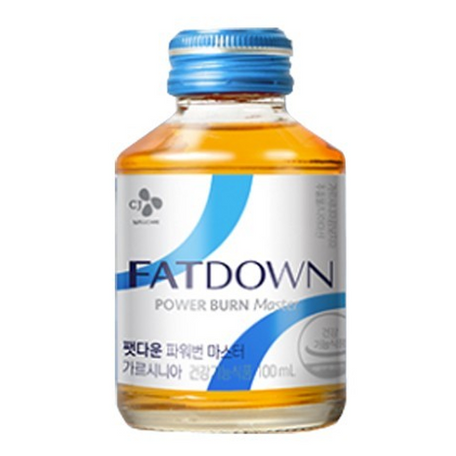

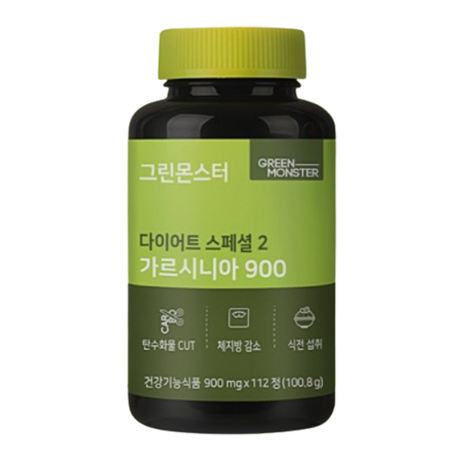
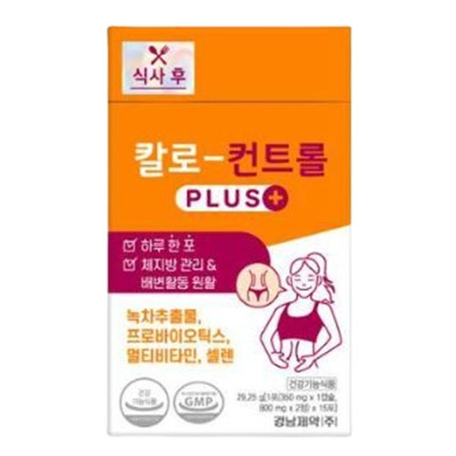
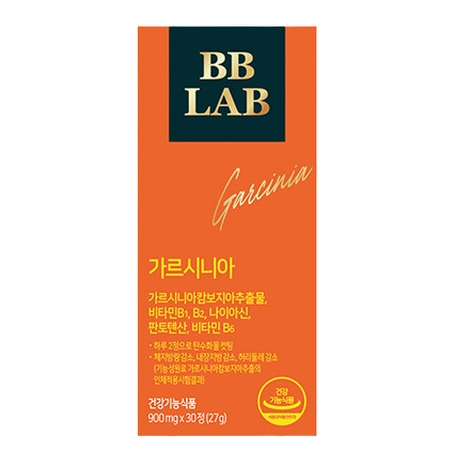
Of course, conventional supplements haven’t disappeared. In third place is Return Up’s “Fat Down Power Burn Master Garcinia” (10 100ml bottles, 24,000 won), while sixth place goes to Green Monster’s “Diet Special 2 Garcinia 900” (32,000 won).
What stands out in the reviews are comments such as “I take it when I’m eating a high-carbohydrate meal.” In other words, these products are shifting from everyday staples to an “insurance policy” used strategically on days when users expect to overeat. This refers solely to usage occasions; the products are foods, not medicines.
Foodology’s “Coleology Cutting Jelly” in fifth place (10 pieces, 23,900 won) fits the same context. It’s jelly or a drink rather than a tablet. The format is changing.
Three Trends Revealed by This Ranking
Ultimately, looking at the top 20 products together reveals the trends in the Korean diet supplement rankings.
The first is a polarization of price points. Protein shakes are “everyday products” priced at 3,900 won, while Garcinia products and jellies are “targeted products” in the 20,000–30,000 won range. Products in the middle price range are getting lost.
The second is that the taste barrier determines success or failure. The first thing mentioned in reviews is not efficacy, but taste. The simple fact that products people cannot continue using will not produce results has become the key selection criterion.
The third is brand concentration. Brands that can expand across flavors, such as Delight Project, are coming to dominate the rankings as a whole. The key is whether a brand can build a series, rather than simply produce a one-off hit.
In Conclusion
The #1 product was neither a special ingredient nor a premium supplement. For 3,900 won, it’s a delicious shake that’s easy to keep taking. That is Korea’s answer right now. The consumer mindset of choosing “something you can stick with” over “something that works” created this TOP 20.
If you want to learn more about Korean cosmetics and supplements, follow & save YEPPURIKO. We regularly share curated information that’s useful before traveling to Korea.
Many users stock up during Olive Young’s (Korea’s leading H&B store) 1+1 sales. In addition to the affordable price of 3,900 won per bag, the effective price is essentially half off during sales.

Top 20 Korean Diet Supplements | Why Protein Shakes Dominated the Top Spots
Two numbers—“easy to drink” and “3,900 won”—rewrote the map of the rankings.
When you open the diet supplement rankings on Korea’s review platform “Glowpick” (as of April 2026), one fact immediately stands out. The top spots are almost entirely occupied by Delight Project protein shakes. No. 1 Natti Chocolate, No. 2 Corn Castella, and No. 4 Black Sesame Injeolmi. Three flavors from the same brand occupy three of the four top spots.
At the YEPPURIKO editorial team, we regularly monitor Glowpick’s rankings and continue to track changes in local reviews. From that perspective, we’ll explore why this TOP 20 came about.
The key: The winner in the Korean diet supplement rankings wasn’t a “specialized supplement that seems effective,” but a “delicious protein shake you can keep drinking every day.”
Why Delight Project Protein Shakes Dominated the Top Spots
The answer is simple: they’re affordable and don’t taste bad.
One 45g packet costs 3,900 won. At just under 500 yen, the price feels more like a convenience-store drink than a supplement. When a 1+1 sale is also held at Olive Young (Korea’s major H&B store), users rush to stock up. The purchase pattern of “buying in bulk during sales” drives up the number of reviews.
And then there’s the taste. Reviews repeatedly mention that “it doesn’t have the strange taste typical of protein” and that “you can drink it like Chocoemon (chocolate milk).” Most people who give up on protein shakes do so because of the taste. Eliminating that obstacle is directly reflected in the ranking results.
The Shift from “Losing Weight with Supplements” to “Replacing Meals”
This ranking accurately reflects what Korean consumers are looking for. They aren’t seeking magic, but a realistic meal-replacement solution.
The fact that three of the four products from No. 1 to No. 4 are Korean protein shake products shows that the idea of “losing weight by taking supplements” is no longer mainstream. Instead, people replace breakfast or snacks with a protein shake to naturally reduce their calorie intake. It’s the idea that consistency produces results.
The flavor lineup is also interesting. Natti Chocolate, Corn Castella, and Black Sesame Injeolmi. The latter two are flavors of traditional Korean snacks, designed not as “diet foods you force yourself to drink,” but as “reward replacements.” These kinds of flavors are also highly regarded as local souvenirs in our Korean Beauty Souvenir List.
Where Did the Garcinia Supplements Go?
Of course, traditional supplements haven’t disappeared. Return Up’s “Fat Down Power Burn Master Garcinia” (24,000 won for 100ml × 10 bottles) ranks No. 3, while Green Monster’s “Diet Special 2 Garcinia 900” (32,000 won) ranks No. 6.
What stands out in the reviews is the comment, “I take it when I eat a high-carbohydrate meal.” In other words, these products are shifting from everyday staples to “insurance” used strategically on days when someone expects to overeat. This refers only to usage situations; these products are foods, not medicines.
Foodology’s “Coleology Cutting Jelly” (23,900 won for 10 pieces), which ranks No. 5, follows the same trend. Jelly and drinks are replacing tablets. The format is changing.
Three Trends Revealed by This Ranking
Ultimately, the top 20 products reveal the trends in Korea’s diet supplement rankings.
The first is a polarization of price points. Protein shakes are “everyday products” costing 3,900 won, while garcinia supplements and jellies are “targeted products” in the 20,000–30,000 won range. The mid-priced range is getting lost in the shuffle.
The second is that the taste barrier determines success or failure. The first thing mentioned in reviews isn’t efficacy but taste. The simple fact that products people can’t continue using won’t produce results has become a key selection criterion.
The third is brand concentration. Brands like Delight Project that can expand their flavors across a lineup are taking control of the rankings as a whole. The key is whether a brand can build a series, rather than producing a one-off hit.
In Conclusion
The No. 1 product wasn’t a supplement with special ingredients or a luxury supplement. It was an affordable, delicious, and sustainable shake costing 3,900 won. That’s Korea’s answer today. The consumer perspective of choosing “something you can stick with” over “something that works” created this TOP 20.
If you want to learn more about Korean beauty products and supplements, follow and save YEPPURIKO. We regularly share curated information useful before traveling to Korea.
See the Latest Articles →Frequently Asked Questions
Delight Project’s “Natti Chocolate Protein Shake.” It has a rating of 4.34 and costs 3,900 won per 45g packet. It ranked No. 1 in the ranking update as of April 2026.
Available flavors include Natti Chocolate, Corn Castella, Black Sesame Injeolmi, and Sweet Potato Misugaru. Reviews praise them for having “none of the strange taste typical of protein” and “a flavor similar to chocolate milk.”
Many reviews say, “I take it when I eat a high-carbohydrate meal,” and the products are notably used strategically on days when people expect to overeat rather than as a daily staple. Products from Return Up, Green Monster, and Bibilab rank highly. Please note that these products are foods, not medicines.
Many users stock up during 1+1 sales at Olive Young (Korea’s major H&B store). In addition to the affordable price of 3,900 won per packet, the effective price is reduced by half during sales.
Related Columns
- What Is PDRN? 9 Top Products to Buy in Korea
- The answer is on the 4th floor of the Olive Young Seongsu Beauty Mansion.
- Recommended Korean Foundations for 2026 | Stop Feeling Lost with a Skin-Type-Based Ranking
- TOP 5 Beauty Drinks You Can Buy at Olive Young After Exercise | Korean Women’s Routine
- Complete Guide to K-POP Dance Dieting | Level-Based Routines Starting from Just 5 Minutes a Day
- Why “One Glass Before Bed” Has Become the New Norm in Korea | 3 Nighttime Diet Supplements [2026 Edition]