Seoul Botanic Park’s Aquatic Plant Exhibition—the free area is the right choice.
In conclusion, the Special Exhibition of Aquatic Plants at Seoul Botanic Park (서울식물원) is more than complete with just the free areas. The tanks in Lake Garden (호수원) and in front of Magok Cultural Hall (마곡문화관) require no admission fee, and both of the exhibition’s star attractions—the giant water lily (Victoria water lily・빅토리아수련) and prickly water lily (가시연꽃)—are located here.
The exhibition runs from August 6 to September 27, 2026. This is the only two-month period when you can see flowers that bloom only at night, opening white on the first day and changing to pink on the second. If you are getting a little tired of the standard shots in Myeongdong and Hongdae, it is worth spending one day of your Korea trip here instead.
Seoul Botanic Park Summer Special Exhibition of Aquatic Plants
Period: August 6–September 27, 2026
Locations: The stream in the Themed Garden (주제정원), Exhibition Greenhouse, Lake Garden, and tanks in front of Magok Cultural Hall
Admission: Themed Garden and Exhibition Greenhouse are paid / Lake Garden and the area in front of Magok Cultural Hall are free
Inquiries: 02-2104-9716 (For details, visit the Seoul Botanic Park website)
The free areas are Lake Garden and the area in front of Magok Cultural Hall
The first thing to note is where the areas are divided. The exhibition is spread across four locations, clearly divided into paid and free areas. The Lake Garden and the tanks in front of Magok Cultural Hall are free, while the Themed Garden and Exhibition Greenhouse require admission.
Lake Garden features giant water lilies, prickly water lilies, yellow floating hearts (노랑어리연꽃), and more. The display tanks in front of Magok Cultural Hall feature prickly water lilies, water cannas (물칸나), and water hyacinths (부레옥잠). In other words, the two photogenic highlights—the “giant leaves” and the “thorny flowers”—can both be seen without buying a ticket.
If you are going primarily for photos, this is the most important thing to know. Even on a day when time is limited, you can visit just the free areas, take your photos, and save your energy and budget for your next plans.
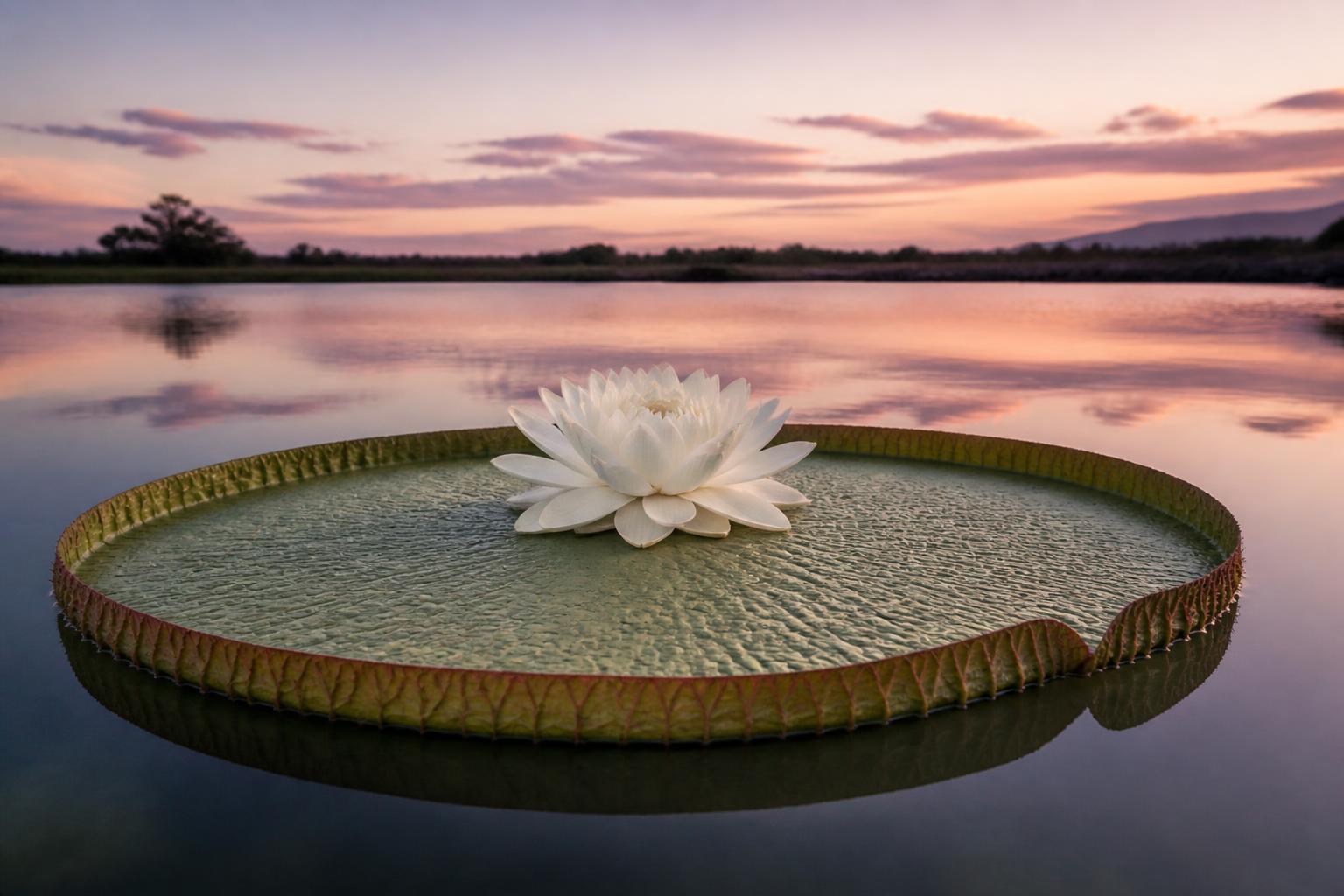
White → pink. Giant water lilies bloom at night, for only two days
The highlight of Lake Garden is the giant water lily, which spreads huge leaves across the water’s surface. Its blooming pattern is unique: it blooms for two days, and only at night. On the first day, it opens white flowers, and by the following day, they change to a pinkish color. Its short blooming period and changing color are what make this aquatic plant so popular with photographers.
On the other hand, whether you will see the flowers when you visit during the day is a matter of luck. During the daytime, the star of Lake Garden is the scale of those enormous, disk-shaped leaves. If you are aiming for the contrast of white and pink, the quickest option is to check the blooming conditions in advance by calling 02-2104-9716.
Editor’s note: At Lake Garden, the display has been arranged so visitors can see Korea’s native prickly water lily alongside the large overseas species giant water lily (Korean name: giant prickly water lily・큰가시연꽃). The composition of “small thorny flowers” and “giant leaves” appearing in the same view can only be photographed here.
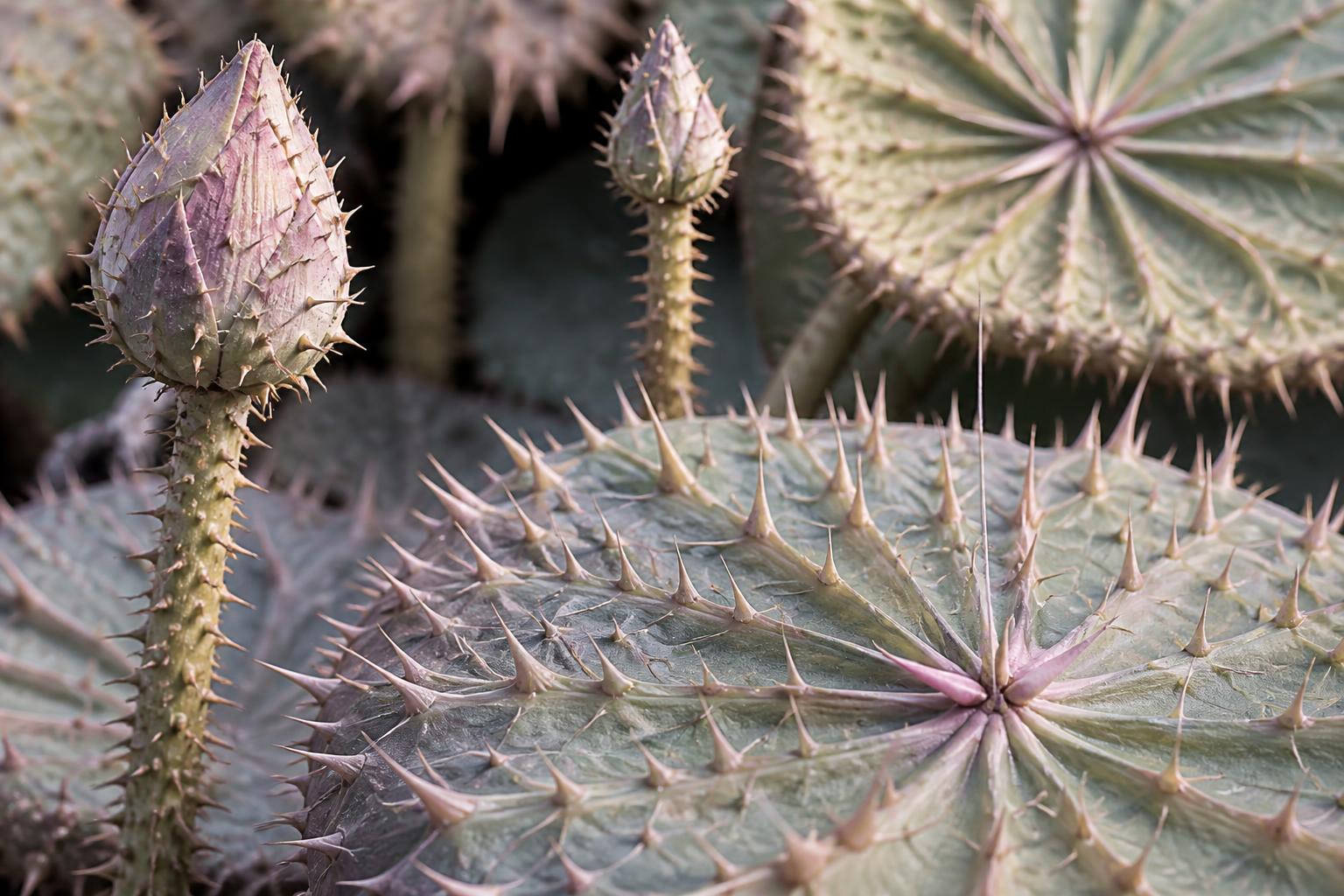
The highlight is the endangered Class II gashi lotus
The highlight of this exhibition is the gashi lotus, designated as a Class II endangered wild species in Korea. Its leaves and flowers are entirely covered in sharp thorns, making it a rare plant even in appearance. It is not something you can easily come across in everyday life.
What is interesting is that gashi lotuses have been planted in all three locations: the Themed Garden, Lakeside Garden, and the exhibition tank in front of the Magok Cultural Center. Since their growth rate varies depending on the environment where they are planted, you can compare how the same plant looks in different settings. This comparison is possible even if you only visit the two free areas.
Seoul Botanic Park has announced a plan to collect seeds from these gashi lotuses after the exhibition, systematically increase their numbers, and make them available to see in the park every year (source: Seoul Metropolitan Government's official media 내 손안에 서울). This is an exhibition you can think of as offering another chance next year even if you miss it this year.
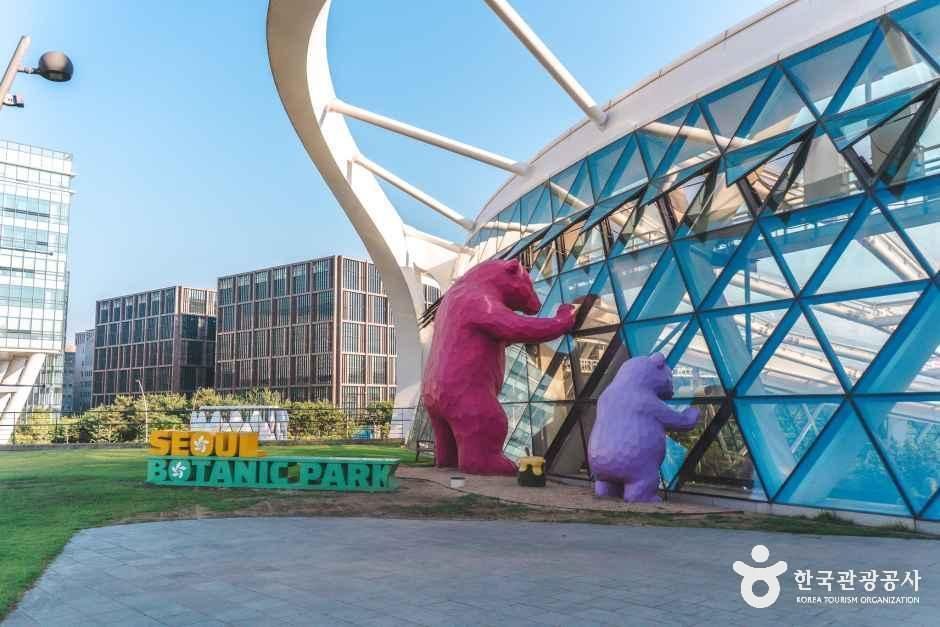
If you enter the paid area, head for the tropical water lilies in the greenhouse
Even so, where is it worth paying to enter? The deciding factor is “color.” The exhibition greenhouse pond features tropical water lilies from overseas that are not easy to see in Korea. Vivid colors such as red, blue, and purple are characteristic of tropical varieties, while temperate water lilies outdoors do not produce purple flowers.
The Themed Garden offers a completely different picture. It features 11 aquatic plant species, including the gashi lotus, colorful lotuses and water lilies, and a boat decorated with flowers. The scenery is reminiscent of a Monet painting, and a photo zone is also available. If the free areas are “places to photograph the plants themselves,” this is a “place to photograph them as scenery.”
| Item | Temperate water lilies (outdoors) | Tropical water lilies (exhibition greenhouse) |
|---|---|---|
| Flower colors | White, red, pink, yellow (no purple) | Vivid colors such as red, blue, and purple |
| Flower stem height | Close to the water's surface | Grows higher than the water's surface |
| Blooming time | Daytime only | Day or night, depending on the species |
| Cold tolerance | The roots survive even in frozen water | Sensitive to cold and moved indoors before winter |
| Admission category | Free in Lakeside Garden | Paid |
The best way to visit is free area → paid area
Seoul Botanic Park is located in the Magok area, a little far from Myeongdong and Hongdae. Since it is off the route of the city's standard sightseeing courses, it is easier to get around if you set aside half a day for the visit.
The order is to first cover the giant water lily and prickly water lily in the free Lake Garden and in front of Magok Cultural Hall. Then, if you want to see “tropical colors” or “photograph them as landscapes,” head to the paid areas. Following this order ensures that even if you run out of time, you’ll still have the subjects you wanted to photograph🌿
Summary
Seoul Botanic Park’s Summer Aquatic Plant Special Exhibition runs from August 6 to September 27, 2026. The Lake Garden and the area in front of Magok Cultural Hall are free, and they contain the exhibition’s main highlights: the giant water lily and prickly water lily. The paid Themed Garden and Exhibition Greenhouse are for those seeking tropical water lilies that bloom in shades of purple and Monet-like landscapes.
Because the flowers that change from white to pink bloom at night and last for only two days, check the flowering status first if you want to see them. For inquiries, call 02-2104-9716. Be sure to check the access information and opening hours on the official Seoul Botanic Park website before setting out.
Frequently Asked Questions
How long is the Seoul Botanic Park Aquatic Plant Special Exhibition being held?
It runs from August 6 to September 27, 2026. The exhibition is divided among four locations: the stream in the Themed Garden, the Exhibition Greenhouse, the Lake Garden, and the water tanks in front of Magok Cultural Hall. Since the exhibition is timed to coincide with the August–September peak blooming season for water lilies and lotuses, you will not see the same scenery outside this period.
Are there any areas that can be viewed without paying an admission fee?
The Lake Garden and the water tanks in front of Magok Cultural Hall are free. Since giant water lilies, prickly water lilies, yellow floating heart, and water hyacinths can be seen in these free areas, the free sections alone are enough if your main purpose is photography. The Themed Garden and Exhibition Greenhouse are paid areas.
Can I always see the giant water lily change from white to pink?
No, it depends on the timing. Giant water lilies bloom at night, and each bloom lasts for only two days. It is white on the first day and changes to pink on the second day. During daytime visits, the enormous leaves are the main attraction, so if you want to see the flowers, the safest option is to check the flowering status at 02-2104-9716 before visiting.
Related Columns
- Korea Starbucks LEAF TO COFFEE: 6 items, 2 mugs not in stores
- Busan PASS: The Difference Between BIG3 and BIG5
- 8 HYBE sacred spots and how to get around Seoul
- When it comes to taking Korean ramyeon home, the deciding factor is the toppings
- The 3 Korean transit cards — which one is actually the right choice?
- Seoul FW: The Right Way to Enjoy 7 Days for Free