Recommended by Koreans! A Guide to Choosing the Best Season for Traveling to Korea

✈️ Spring, summer, fall, or winter—which season is perfect for you?

Brought to you by YEPPURIKO(イェプリコ), your trusted one-stop guide to Korea, where you can enjoy Korean beauty, travel, food, and more with peace of mind.
📋 Table of Contents
01. How Choosing the Season Changes Your Trip to Korea
02. 🌸 Spring (March–May) Travel
03. ☀️ Summer (June–August) Travel
04. 🍂 Autumn (September–November) Travel
05. ❄️ Winter (December–February) Travel
06. When to Buy Airline Tickets
07. For Those Traveling for Beauty Clinics
08. Summary
🗺️ How Choosing the Season Changes Your Trip to Korea
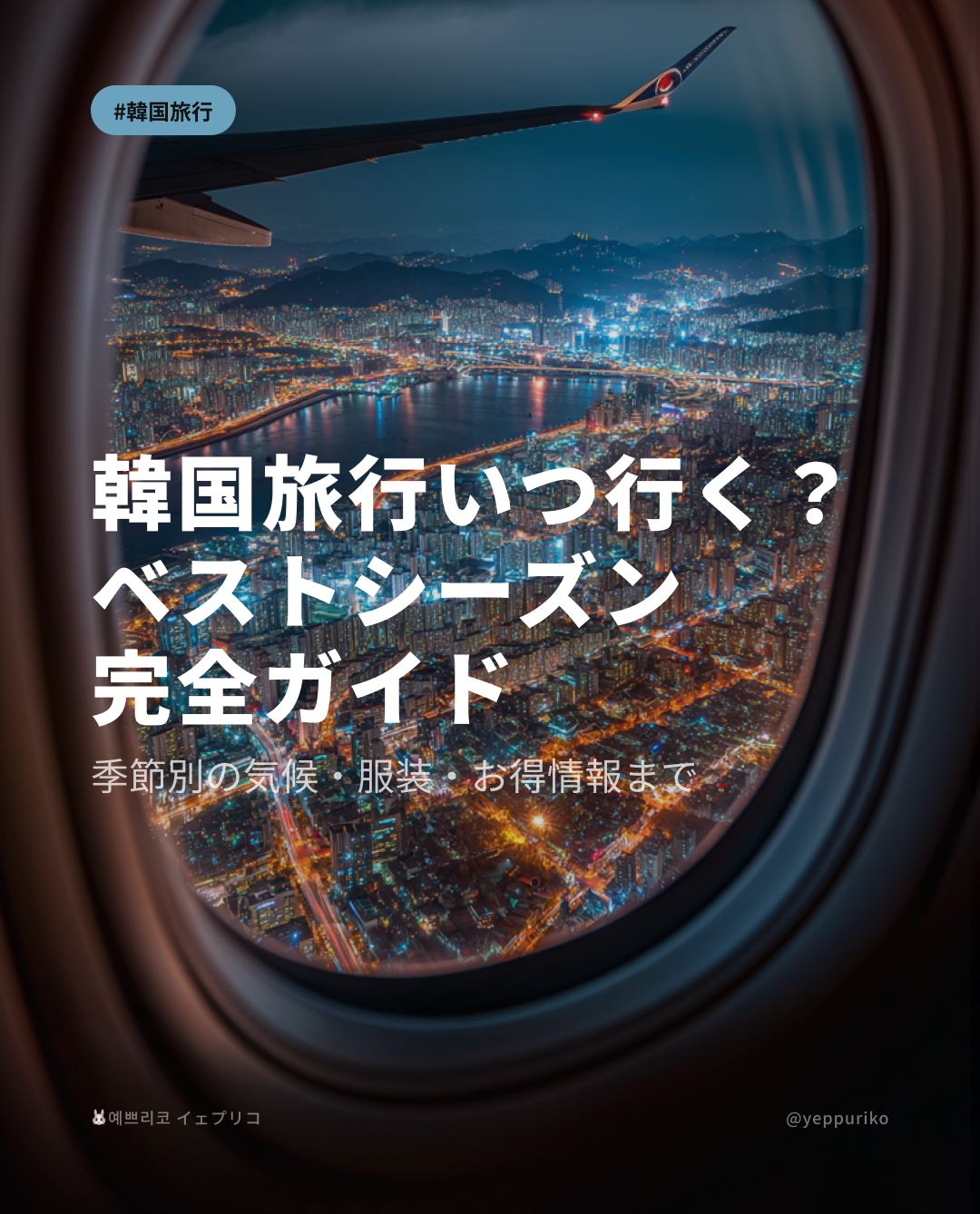
“Which is better, spring or autumn?” “When should I buy my airline tickets?” — Many people have questions like these when planning a trip to Korea.
In reality, Korea’s climate, events, crowd levels, and airfare all vary significantly depending on the season.
Rather than assuming that “it’s the same whenever you go,” choosing a season that matches the purpose of your trip can make it more comfortable and enjoyable.
This guide organizes the characteristics and points to note for each season and clearly explains how to choose based on your purpose.
🌸 Spring (March–May) Travel

😊 Climate and City Atmosphere
Cherry blossoms bloom from late March through April, bringing a vibrant atmosphere to parks and the areas along the Han River in Seoul.
Average temperatures are around 10–18℃, making this a comfortable and convenient time for sightseeing during the day.
Mornings and evenings can still be chilly, so it is a good idea to bring a lightweight jacket or outer layer.
✅ Things to Keep in Mind in Spring
April is also a season when yellow dust and pollen are in the air.
If you have allergies or sensitive skin, it is reassuring to prepare protective items such as masks and eye drops.
During cherry blossom season (early April), popular areas and restaurants may become crowded as tourists gather.
It is recommended to check accommodation and flights early.
☀️ Summer Travel (June–August)
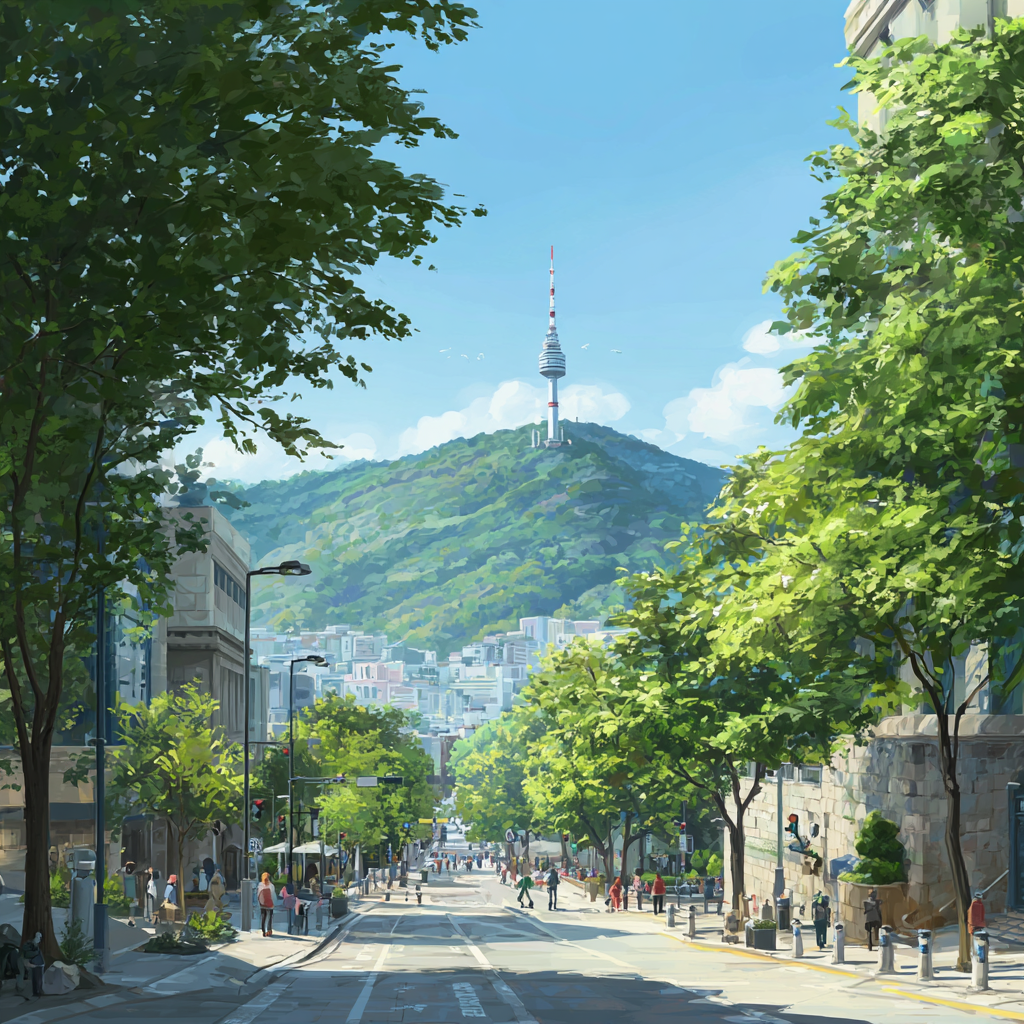
😓 How to Cope with the Heat
Summers in Korea are hot and humid, and there are many days when Seoul's high temperatures exceed 30°C.
June and July are the rainy season, and there may be days of prolonged, heavy rain.
On the other hand, many festivals and outdoor events unique to summer are held during this season, making it a great time to experience vibrant Korea.
✅ Recommended Items for Summer
Many indoor places have strong air conditioning, so a lightweight cardigan or outer layer will help you stay comfortable.
Sunscreen and a portable fan can also be useful.
If you are considering visiting a beauty clinic, sun protection after treatment becomes even more important during this season.
We recommend consulting your doctor in advance about the schedule and aftercare.
🍂 Autumn Travel (September–November)

😌 Stable Weather Ideal for Travel
September through November has stable weather and is considered one of the most comfortable seasons for traveling in Korea.
From late October through November, the autumn foliage reaches its peak, adding color to spots such as Bukhansan and Namsan.
Although daytime temperatures are comfortable, mornings and evenings can become chilly in November, so layered clothing is convenient.
you will generally find it easier to secure flights and hotels with more flexibility.
(This may vary depending on the timing and route.)
Autumn is one of the most popular travel seasons, along with spring.
If your trip overlaps with the busy season, it is a good idea to consider booking early.
❄️ Winter Travel (December–February)
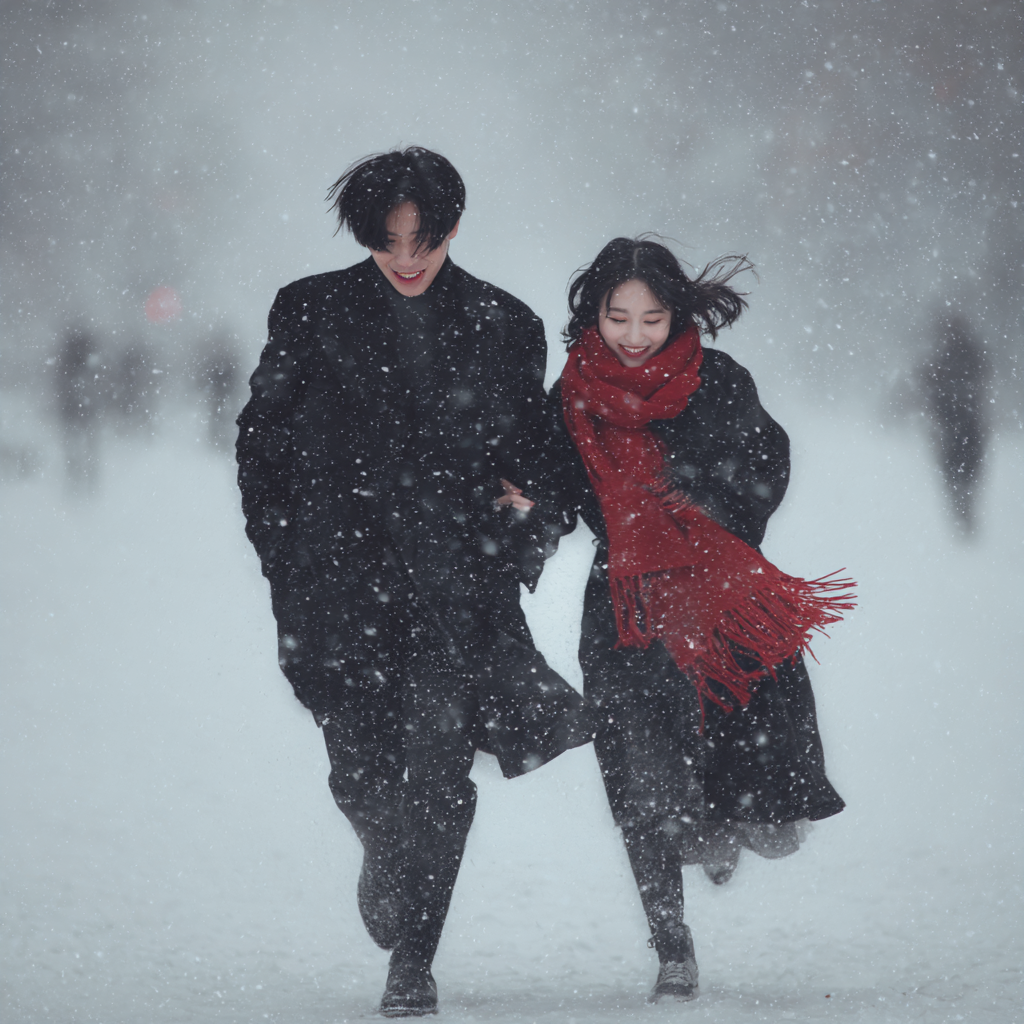
🧣 Enjoyable Experiences in the Cold
Korean winters can be extremely cold, and in Seoul, there are days when the lowest temperature falls below −10℃.
Thorough protection against the cold (a thick coat, gloves, and a down jacket) is essential.
On the other hand, it is also a season when you can enjoy ski resorts (such as Pyeongchang and Hongcheon) and hot spring spots, offering experiences unique to winter.
✅ Tips for Winter Travel
Winter is sometimes considered the off-season, and airfares tend to be relatively stable.
However, the period around the year-end and New Year holidays and Lunar New Year (Seollal) may be crowded and more expensive, so be careful when planning your dates.
As this is also a season when skin dryness intensifies, it is a good idea to bring skincare products and pay attention to moisturizing care.
✈️ When to Purchase Air Tickets
“When is the right time to buy air tickets?” is a question many people have.
In general, demand tends to increase before and after peak seasons (spring cherry blossoms, autumn foliage, and the year-end and New Year holidays), so it is reassuring to check early.
As a guideline, if you start monitoring price trends 2–3 months before departure, you may be able to make your choice with relatively more time to spare.
✅ Things to Check Before Purchasing
During Korean holidays (추석=Chuseok / 설날=Seollal, etc.), local transportation and accommodations are also likely to be crowded.
When planning your travel itinerary, it is a good idea to check the Korean holiday calendar as well.
Additionally, LCCs and major carriers differ in terms of price range and services provided.
Please also consider factors such as the amount of luggage and whether you have any transfers when choosing the option that best suits you.
🏥 For Those Visiting Korea for Cosmetic Clinic Treatments
If your purpose for traveling to Korea is to receive a consultation or treatment at a cosmetic clinic, many people choose a time of year when the weather is relatively stable.
After treatment, your skin may become more sensitive, and strong UV rays or significant temperature changes may also be a concern.
However, this varies depending on the treatment and your individual condition, so it is important to consult your attending physician in advance.
✅ Things to Confirm Before Visiting a Clinic
・The duration of restrictions on daily activities after treatment (exercise, bathing, etc.)
・Whether follow-up observation is necessary after returning home
・Aftercare and emergency contact information
・Whether Japanese-language support is available (including interpretation services)
We also regularly share information about cosmetic medical treatments in Korea on Yeppuriko.
If there is a treatment you are interested in, please refer to our other articles as well.
✨ Summary: Seasonal Checklist
🌸 Spring (March–May)
□ Check the timing of cherry blossoms, pollen, and yellow dust, as well as your own health condition
□ Prepare a lightweight jacket and mask
□ As this is a popular season, check accommodation and airfare early
☀️ Summer (June–August)
□ Take measures against the rainy season and extreme heat (sunscreen and cooling items)
□ Bring a lightweight cardigan to cope with indoor air conditioning
□ Check with your doctor in advance about UV protection after treatment
🍂 Autumn (September–November)
□ The weather is stable, making it easy to enjoy the autumn foliage
□ Prepare layered clothing for the chilly mornings and evenings
□ Start checking reservations approximately 2–3 months in advance
❄️ Winter (December–February)
□ Thorough protection against the cold is essential (coat, gloves, scarf)
□ Consider winter-only experiences such as skiing and hot springs
□ Be mindful of crowds during Korean holidays (such as Seollal)
□ Bring moisturizing skincare products to help prevent dry skin
By choosing a season that matches the purpose of your trip (sightseeing, food, beauty clinics, etc.), you can enjoy Korea more comfortably.
Every season has its own appeal, so be sure to plan at your own pace.
We’ve brought you reliable Korean information that makes Korea feel closer than ever, from 『YEPPURIKO(イェプリコ)』.
Related Columns
- Korea Starbucks LEAF TO COFFEE: 6 items, 2 mugs not in stores
- Busan PASS: The Difference Between BIG3 and BIG5
- 8 HYBE sacred spots and how to get around Seoul
- When it comes to taking Korean ramyeon home, the deciding factor is the toppings
- The 3 Korean transit cards — which one is actually the right choice?
- Seoul FW: The Right Way to Enjoy 7 Days for Free