Foods to Avoid After Stitches: When Can You Eat Spicy Food?
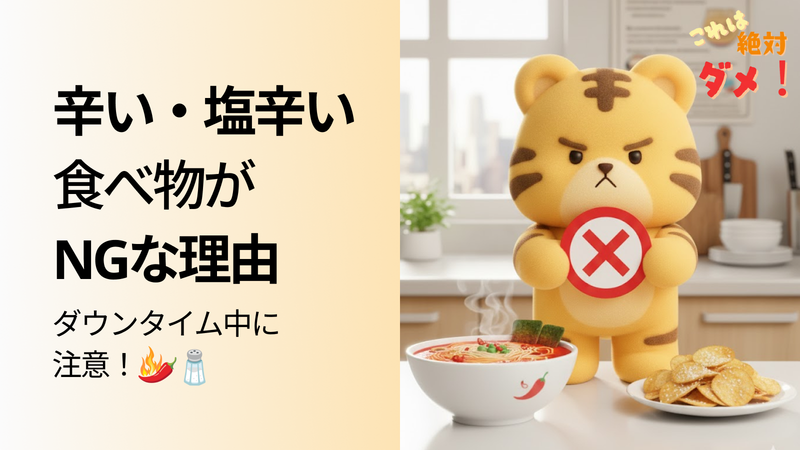

The main foods to avoid after stitches are spicy dishes, high-sodium meals, fried and greasy foods, alcohol, and caffeine — generally for 2 weeks to 1 month, depending on your procedure. Spicy food irritates the intestines, increases blood flow around the wound, and diverts energy away from healing, which is why most doctors ask you to hold off.
If you're wondering when you can eat spicy food after surgery, the general guideline is about 1 week after minor cosmetic procedures like Botox or fillers, 2 weeks to 1 month after surgeries with incisions, and 1 month or longer after major surgeries such as facial contouring. Always confirm the timeline with your own doctor.
This guide breaks down why spicy and salty foods slow recovery, the full list of foods to avoid while your stitches heal, and what to eat instead to support faster healing.
Quick answer: Avoid spicy, salty, fried, and alcoholic foods for 2 weeks to 1 month after surgery with stitches. Eat high-protein, low-fat foods (chicken breast, white fish, tofu, eggs) plus cooked vegetables and vitamin C–rich fruits to support wound healing.
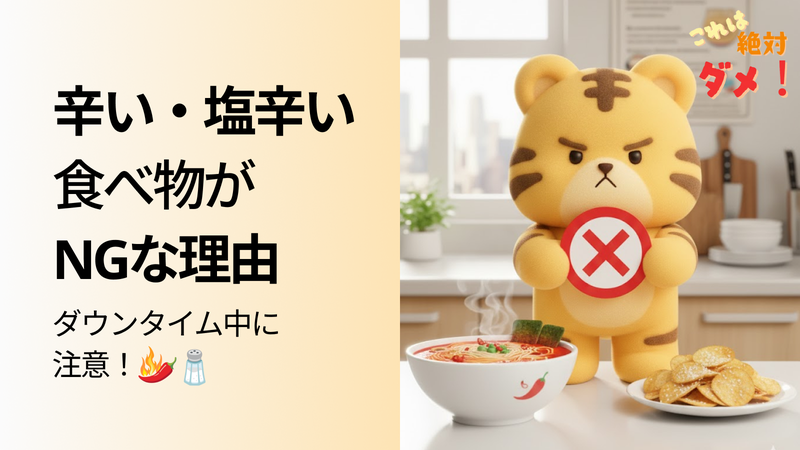
Why spicy food after surgery slows healing 🌶️
After surgery, your body is working at full capacity to repair the wound. Eating highly stimulating foods at this stage can interfere with that recovery in three specific ways.
1. Capsaicin irritates the intestines and can worsen inflammation
Your body is already in a state of fighting inflammation after surgery. Stimulating compounds such as capsaicin in spicy dishes may irritate the intestines and worsen the inflammatory response. When the digestive system overreacts, energy that should be used to heal your wound gets diverted to dealing with that inflammation instead.
2. Increased blood flow puts sudden stress on the wound
Spicy food raises your body temperature and increases blood flow. That may sound helpful, but sudden changes in blood flow can put extra pressure on the wound, potentially slowing healing or increasing the risk of bleeding — a particular concern when you have stitches.
3. Digestion competes for the energy your body needs to heal
Spicy dishes place a significant burden on the stomach and intestines. Energy that should go toward tissue repair gets consumed by the digestive process. During recovery, choose foods that are as gentle on your body as possible.
Why salty meals are also off the list 🧂
High-sodium meals interfere with recovery in ways that are less obvious than spice but just as important — especially if you have sutures.
Higher blood pressure strains the wound
Excessive salt intake raises blood pressure. When blood pressure is high, extra pressure is placed on the blood vessels around the wound, which can slow healing. If you have stitches, elevated blood pressure can also raise the risk of bleeding.
Swelling delays recovery
A high-salt diet makes your body retain water, causing swelling. Swelling can impair blood and lymphatic flow and hinder the removal of waste products, ultimately slowing wound healing.
Inflammation may last longer
Excessive salt intake may prolong the body's inflammatory response. The longer post-surgical inflammation lasts, the more time recovery can take.
The full list of foods to avoid after stitches 🙅♀️
While your wound is healing, steer clear of the following. These foods may not only interfere with wound healing but may also increase the risk of infection.
| Category | Foods to avoid |
|---|---|
| Highly stimulating foods | Spicy dishes in general (kimchi, mapo tofu, curry, etc.); high-sodium meals (pickles, miso soup, ramen, etc.); dishes heavily seasoned with spices |
| Hard-to-digest foods | Fried and greasy foods; processed and instant foods; sweet snacks and juice |
| Drinks and others | Alcohol and carbonated drinks; drinks high in caffeine; raw foods and foods that are too cold |
Editor's note: If you're recovering in Korea after a cosmetic procedure, that means holding off on spicy staples like kimchi jjigae and tteokbokki for now — your clinic will tell you exactly when it's safe to add them back.
What to eat instead: foods that support healing 🥗
So what should you eat to support recovery after surgery? Focus on nutritious meals that are easy to digest.
High-protein, low-fat dishes
Protein is an essential nutrient for wound repair. Good options include chicken breast (boiled or steamed), white fish (sea bream, flounder, etc.), tofu and natto, and eggs (fully cooked is safer than soft-boiled). Cooking methods that use little fat also reduce the burden on digestion.
Green and yellow vegetables
Vegetables rich in vitamins and minerals help boost immunity and promote wound healing 🥦 Reach for spinach, broccoli, carrots, and pumpkin — cooked thoroughly until soft.
Vitamin-rich fruits
Vitamin C helps produce collagen and supports wound recovery. Try oranges and grapefruit, kiwi, strawberries, and bananas. Be mindful of portions, though — eating too much fruit can mean excessive sugar intake.
Other recommended foods
Unsalted nuts, unsweetened yogurt, rice porridge (okayu), and lightly seasoned soups are all gentle on digestion while still delivering nutrients your body needs to heal.
When can I eat spicy food after surgery? Timeline by procedure ⏰
Although it varies by the type of surgery and your speed of recovery, dietary restrictions are generally needed for 2 weeks to 1 month. Here are the general guidelines by procedure:
| Procedure type | How long to hold off |
|---|---|
| Cosmetic procedures (Botox, fillers, etc.) | About 1 week |
| Surgeries involving incisions | 2 weeks to 1 month |
| Major surgeries such as bone reduction (facial contouring) | 1 month or longer |
If you're unsure where your procedure falls, check with your clinic doctor before reintroducing spicy or salty foods.
5 recovery habits that go with the diet 💡
1. Choose foods that are easy to digest
Pick soft dishes that are thoroughly cooked. Skip raw or very cold foods, and go for room-temperature or warm foods instead.
2. Get enough protein at every meal
Include protein-rich foods in each of your three daily meals. A balanced variety of meat, fish, eggs, and soy products works well.
3. Cover your vitamins and minerals
Get plenty of vitamins and minerals from vegetables and fruit. Supplements are fine as a backup, but food should be the foundation.
4. Don't diet aggressively during recovery
Even if you want to lose weight, strict dieting right after surgery works against you. Get proper nutrition and prioritize your body's recovery.
5. Stay well hydrated
Aim for 1.5–2 liters of water per day, taking small sips throughout the day. Avoid caffeine and alcohol while you heal.
Key takeaways
Foods to avoid after stitches: anything spicy, salty, fried, processed, or alcoholic — these irritate the intestines, raise blood pressure, and can prolong inflammation. Plan on 2 weeks to 1 month of restrictions for surgeries with incisions, and about 1 week for minor cosmetic procedures.
Instead, build meals around high-protein, low-fat foods and well-cooked vegetables and vitamin C–rich fruits, and drink 1.5–2 liters of water daily. Your next step: confirm your specific timeline with your surgeon, since recovery varies by procedure and by person.
FAQ
What foods should I avoid after getting stitches?
Avoid spicy dishes (kimchi, curry, mapo tofu), high-sodium meals (pickles, ramen, miso soup), fried and greasy foods, processed foods, alcohol, carbonated drinks, caffeine, and raw or very cold foods. These can interfere with wound healing and may increase the risk of infection.
When can I eat spicy food after surgery?
Generally after about 1 week for minor cosmetic procedures like Botox or fillers, 2 weeks to 1 month for surgeries involving incisions, and 1 month or longer for major surgeries such as facial contouring. Ask your doctor for a timeline based on your specific procedure and healing progress.
What should I eat to help my wound heal faster?
Focus on high-protein, low-fat foods such as boiled chicken breast, white fish, tofu, and fully cooked eggs. Add well-cooked vegetables like spinach and broccoli, plus vitamin C–rich fruits such as oranges and kiwi, which support collagen production for wound repair.
Yeppuriko has brought you reliable Korean information to make Korea feel closer, safer, and more accessible. Experience the latest trends and heart-fluttering moments with Yeppuriko.
Related Columns
- Korea Starbucks LEAF TO COFFEE: 6 items, 2 mugs not in stores
- Busan PASS: The Difference Between BIG3 and BIG5
- 8 HYBE sacred spots and how to get around Seoul
- 10 Must-Buy Items at Korean Convenience Stores, Starting from 900 Won
- When it comes to taking Korean ramyeon home, the deciding factor is the toppings
- The 3 Korean transit cards — which one is actually the right choice?