Effects of 4 Beauty Ingredients and the Correct Way to Use Them by Skin Type

✨ How to choose the right ingredients for your skin type: retinol, hyaluronic acid, ceramide, and cica

🎯 Why you still can't tell “which ingredients are right for you” even after reading a skincare ingredient list

It is perfectly natural not to know “which ingredients are right for you” even after looking at a skincare ingredient list.
That is because the effects of beauty ingredients vary greatly depending on your skin type.
It is not uncommon for an ingredient to be beneficial for dry skin but require caution for oily skin.
In this guide, we have organized how to choose and use retinol, hyaluronic acid, ceramide, and cica according to your skin's condition.
Even with the same ingredient, its effects and points of caution will differ depending on your skin type.
💡 Retinol is a “nighttime-only” skin-renewing ingredient


Retinol is an ingredient that promotes the skin's renewal cycle.
It targets hyperpigmentation, wrinkles, and sagging while supporting collagen and elastin production.
However, because it is sensitive to light and heat, it should only be used at night.
During the day, sunscreen with SPF 30 or higher is essential.
How to choose the right formulation for your skin
✅ Which formulation to choose
Serum or lotion-type products are suitable for people with combination, oily, or acne-prone skin.
For dry skin, choosing a cream-type product makes it easier to care for both moisturization and renewal at the same time.
Combinations and amounts to avoid
⚠️ Be careful with combinations and usage amounts
Avoid using it at the same time as AHA, BHA, high-concentration vitamin C, or peeling products.
People who are pregnant or breastfeeding are advised to refrain from using it.
It is generally recommended to start with a small amount of 1–2 pumps and use it every other day, gradually increasing the frequency while checking your skin's reaction.
💧 Hyaluronic acid is suitable for all 7 skin types


Of the four ingredients, hyaluronic acid is the most versatile.
It can be used every day, morning and night, and is expected to provide four benefits: moisturization, strengthening the skin barrier, improving elasticity, and reducing wrinkles.
Although it is an easy-to-incorporate ingredient, the main expected benefits vary depending on your skin's condition.
Main roles for each skin type
✅ Main roles by skin type
Dry skin: Hydration and long-lasting moisture
Oily skin: Balancing sebum without clogging pores
Sensitive skin: Soothing and calming the skin
Acne-prone skin: Maintaining moisture balance
Combining it with other ingredients
When combining it with AHA, BHA, vitamin C, or retinol, we recommend carefully observing your skin's reaction.
🛡️ Ceramide is a long-term care ingredient for “skin with a weakened barrier”


Ceramide is particularly effective when the skin barrier function has declined.
It prevents moisture loss, and continued use is expected to provide long-term moisturizing benefits.
It is an ingredient well suited to the characteristics of dry and sensitive skin.
What people with oily skin should be aware of
⚠️ People with oily skin should avoid overuse
Ceramide products often have a rich texture, and excessive use by people with oily skin may lead to clogged pores or breakouts.
It is safest to adjust the amount used and the formulation according to your skin's condition.
🌿 Cica ingredients support both “recovery” and the “skin barrier”

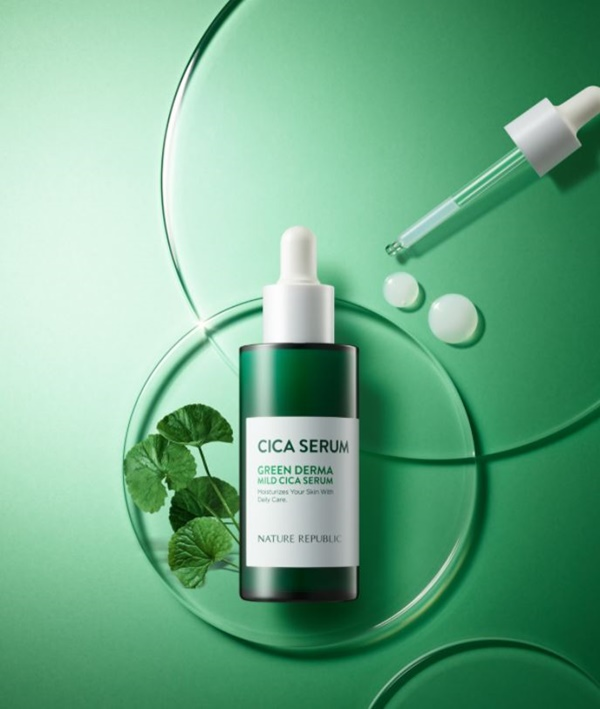
Cica ingredients are derived from a plant called centella asiatica.
They have five functions: strengthening the skin barrier, promoting wound recovery, providing antibacterial effects, promoting collagen production, and improving wrinkles.
They have also been found to help soothe inflammation and suppress bacterial growth.
Skin conditions it is suitable for
✅ Suitable for these skin conditions
It is especially suitable for people with sensitive, acne-prone, or dry skin.
It may also be incorporated into care during periods when skin irritation is a concern or as aftercare following a procedure (individual differences apply, and a doctor's judgment is required).
📋 Summary: How to choose beauty ingredients for each skin type
In addition to organizing these four ingredients, other ingredients may also be options depending on your skin's condition.
Ingredients suitable for acne-prone and oily skin
✅ Options for acne-prone and oily skin
Salicylic acid, niacinamide, tea tree oil, and aloe vera
These ingredients help balance sebum and care for pores.
Ingredients suitable for sensitive skin
✅ Options for sensitive skin
Chamomile, aloe vera, panthenol, vitamin P, vitamin K, and seaweed extract
These ingredients are specialized in soothing and repairing the skin barrier.
✨ Summary
✔ Identify your skin type from the 7 categories (dry, oily, normal, combination, sensitive, acne-prone, and atopic)
✔ Use retinol only at night, starting with a small amount and adjusting the frequency while monitoring your skin's reaction
✔ Hyaluronic acid is suitable for morning and night. It is easy to use for all skin types, but be cautious when combining it with other active ingredients
✔ Ceramide is suitable for dry and sensitive skin. People with oily skin should be careful about the amount used and the formulation
✔ Cica ingredients can be used for recovery care for sensitive, acne-prone, and dry skin
✔ Do not use retinol and high-concentration vitamin C at the same time
✔ The effects of ingredients vary from person to person. Make your decision based on your skin's condition and how it feels when used
In closing
Rather than “using an ingredient because it’s good,” use ingredients that suit your skin type.
That small change in perspective can sometimes improve the quality of your skincare routine.
Bookmark this article and use it as a reference when choosing your next skincare item.
Reviews of Korean cosmetics by ingredient are also available on イェプリコ’s Instagram. If you have any skin concerns, you can also consult us via the LINE link in the profile.
❓ Frequently Asked Questions
Q. Can retinol and hyaluronic acid be used together?
In some cases, they can be used together, but retinol is an ingredient that can easily cause irritation. Some people apply hyaluronic acid afterward for hydration after using retinol at night, but we recommend incorporating them carefully while monitoring your skin’s reaction.
Q. Should people with oily skin use hyaluronic acid?
It is generally recommended. Even oily skin can produce excess sebum when it lacks moisture, and balancing moisture levels with hyaluronic acid may help control sebum production (individual results may vary).
Q. Can cica ingredients be used every day?
They are considered gentle on the skin, so daily use is often considered. However, this may vary depending on your skin’s condition and the product’s concentration. If you notice any changes in your skin, reconsider your use.
Q. Can people with sensitive skin use retinol?
People with sensitive skin need to be especially cautious when using retinol. It is generally recommended to start with a low concentration and use it every other day to monitor your skin’s response. If you experience redness or intense irritation, discontinue use and consult a doctor.
Related Columns
- What is PDRN (salmon DNA)? An explanation of this popular ingredient in Korean beauty
- Does HIFU Not Work for People in Their 50s? A Doctor Explains Which Skin Conditions Respond Best and How to Choose the Right Treatment
- What Is the Excel V Laser? A Complete Guide to Why It’s Popular at Korean Aesthetic Dermatology Clinics and Its Effects
- Get beautiful discreetly in a day trip: Cosmetic procedures in Korea that no one will notice
- The secret to Koreans’ beautiful skin? What is Rejuran Shot?
- What Is Tune Face? An Explanation of Korea’s Trending Celebrity Lift Treatment