9 Foods That Even Koreans Have Mixed Feelings About 🍽️
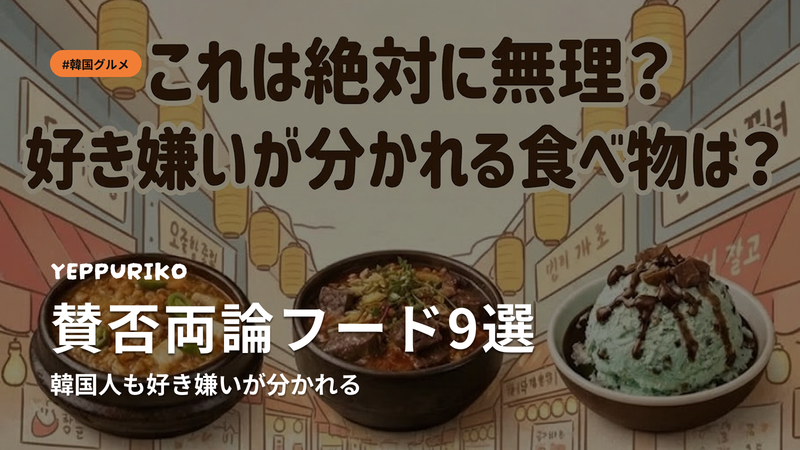
🍽️ Even in the land of fermentation, there are some lines that cannot be crossed

This is イェプリコ, your one-stop guide to Korea, where you can enjoy Korean beauty, travel, food, and more with peace of mind.
🤔 Can Koreans eat all Korean food? Actually, not really

Kimchi, samgyeopsal, tteokbokki. They are all delicious dishes that represent Korea, aren't they?
However, that doesn't mean every Korean can eat all Korean food.
Preferences vary depending on local food culture, eating habits at home, and individual sensitivity to smells.
Foods with particularly strong aromas, visually striking ingredients, or unique textures tend to receive mixed reactions even among Koreans.
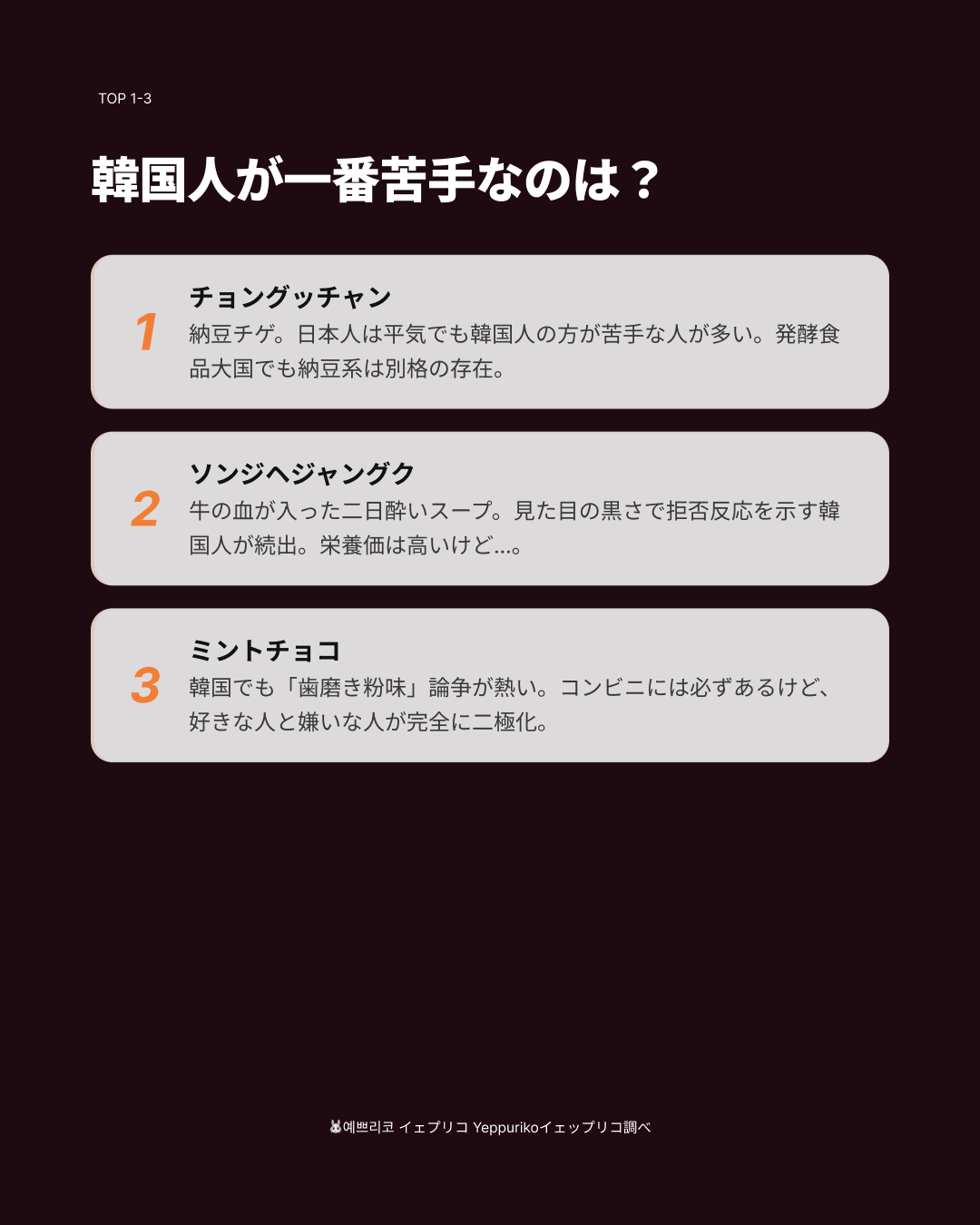
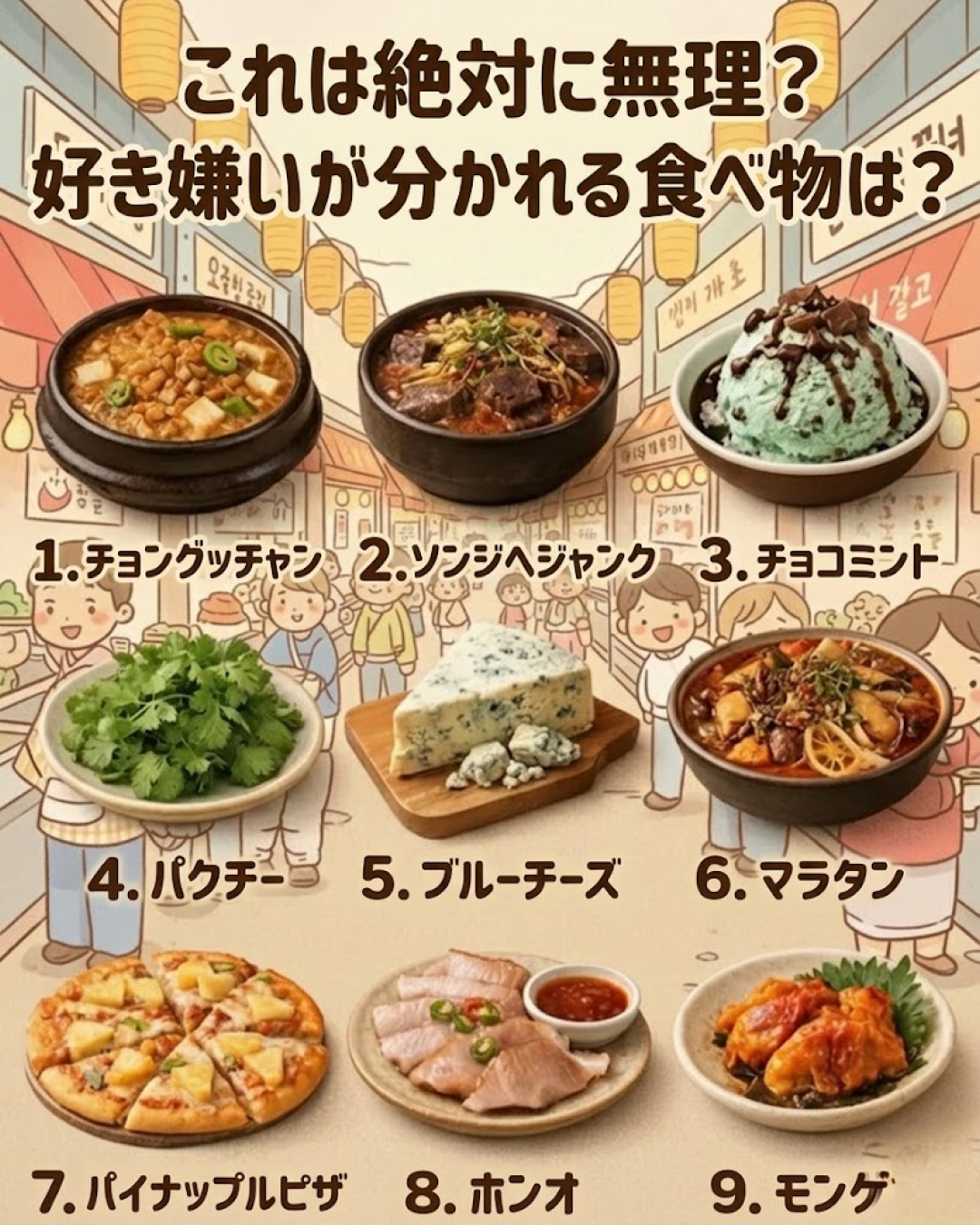
Even in Korea, where fermented foods are eaten daily,
there is a “limit line” when it comes to smell, appearance, and texture.
This time, we’ll introduce nine such foods.
🥣 1. Cheonggukjang(청국장)
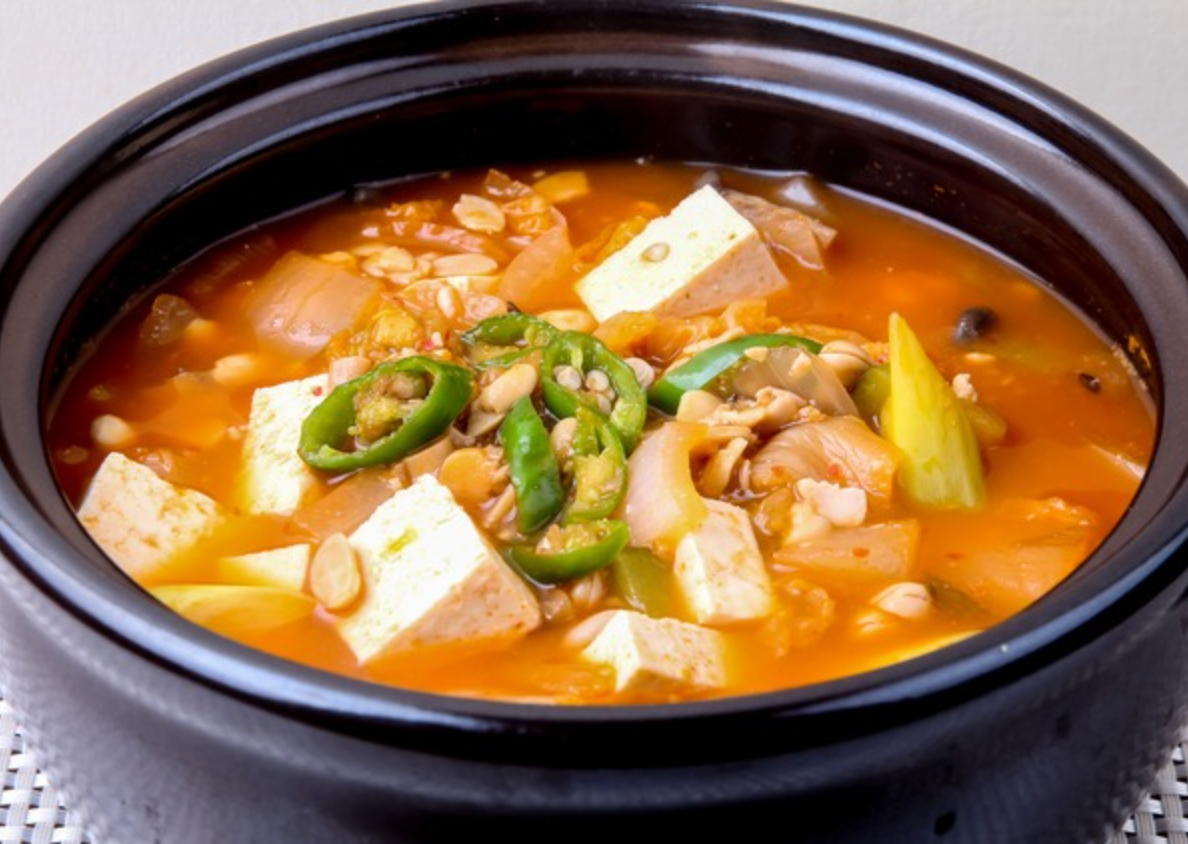
This is a staple Korean home-style stew made with fermented soybeans.
It is known for its strong smell, similar to Japanese natto, and even among Koreans, there are quite a few who say, “I just can’t handle that smell.”
Interestingly, Japanese people, who have a natto culture, may sometimes have less resistance to it.
While people from rural areas have been familiar with it since childhood, younger generations raised in Seoul also seem to tend to have a stronger aversion to it.
🍲 2. Seonji Haejangguk(선지해장국)

This traditional soup contains beef blood(seonji)and is said to help with hangovers.
It has a light flavor and is highly nutritious, but many people show a strong aversion to its pitch-black appearance. Next, let's move on to
Many people say, “I can't handle it the moment I see it,” and younger generations in particular tend to avoid it.
🍫 3. Mint Chocolate(민트초코)
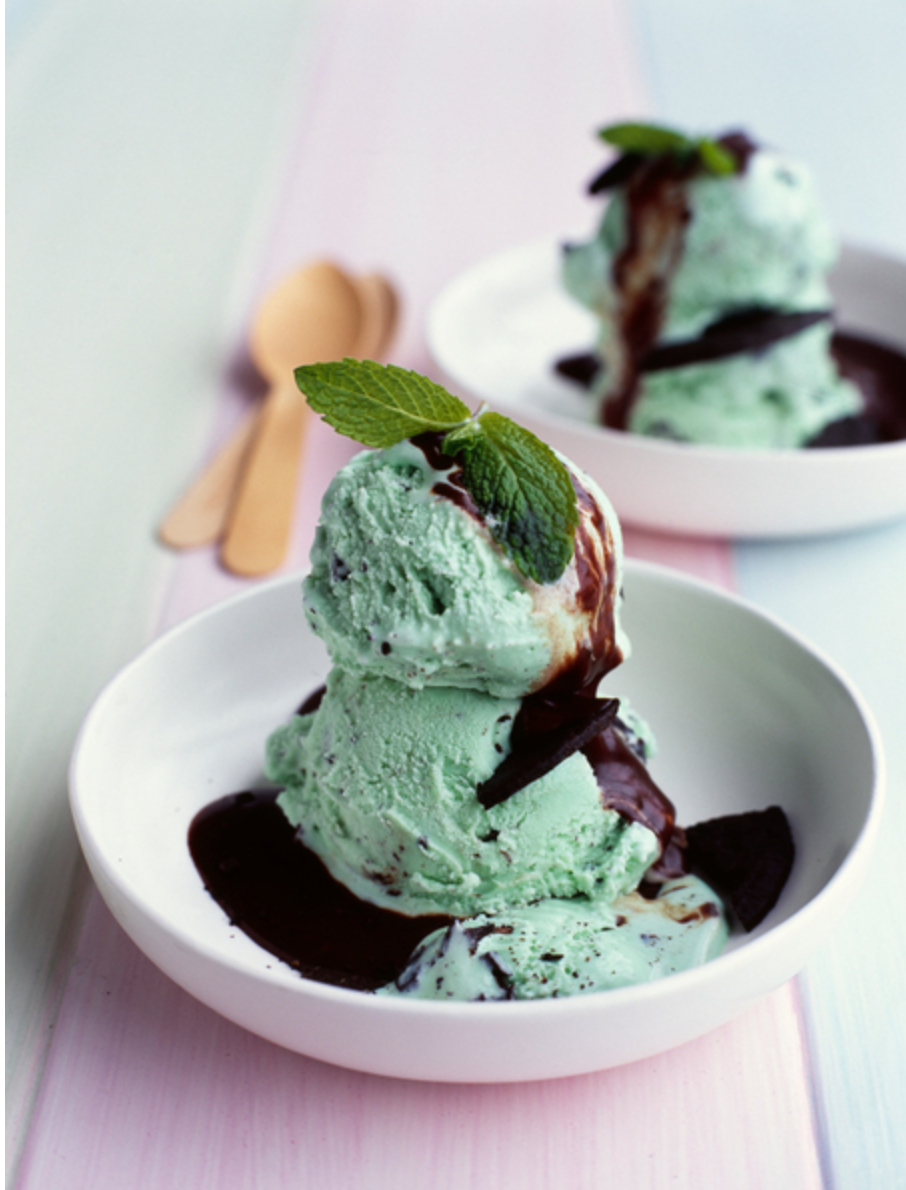
Although unrelated to fermented foods, it is a classic example in Korea of a food that sharply divides opinion.
The SNS debate between those who dislike it, saying “It tastes like toothpaste,” and those who like it, saying “It’s refreshing and delicious,” regularly becomes a hot topic.
It’s also a common occurrence in Korea for the comments section to split into two camps whenever a café menu includes mint chocolate items.
🌿 4. Cilantro(고수)

There is traditionally no custom of using cilantro in Korean cuisine.
As a result, many people first try it in Thai or Vietnamese cuisine and discover that they dislike it.
Ethnic cuisine has been growing in popularity in Korea recently, but quite a few people still order their dishes without cilantro.
🧀 5. Blue Cheese(블루치즈)
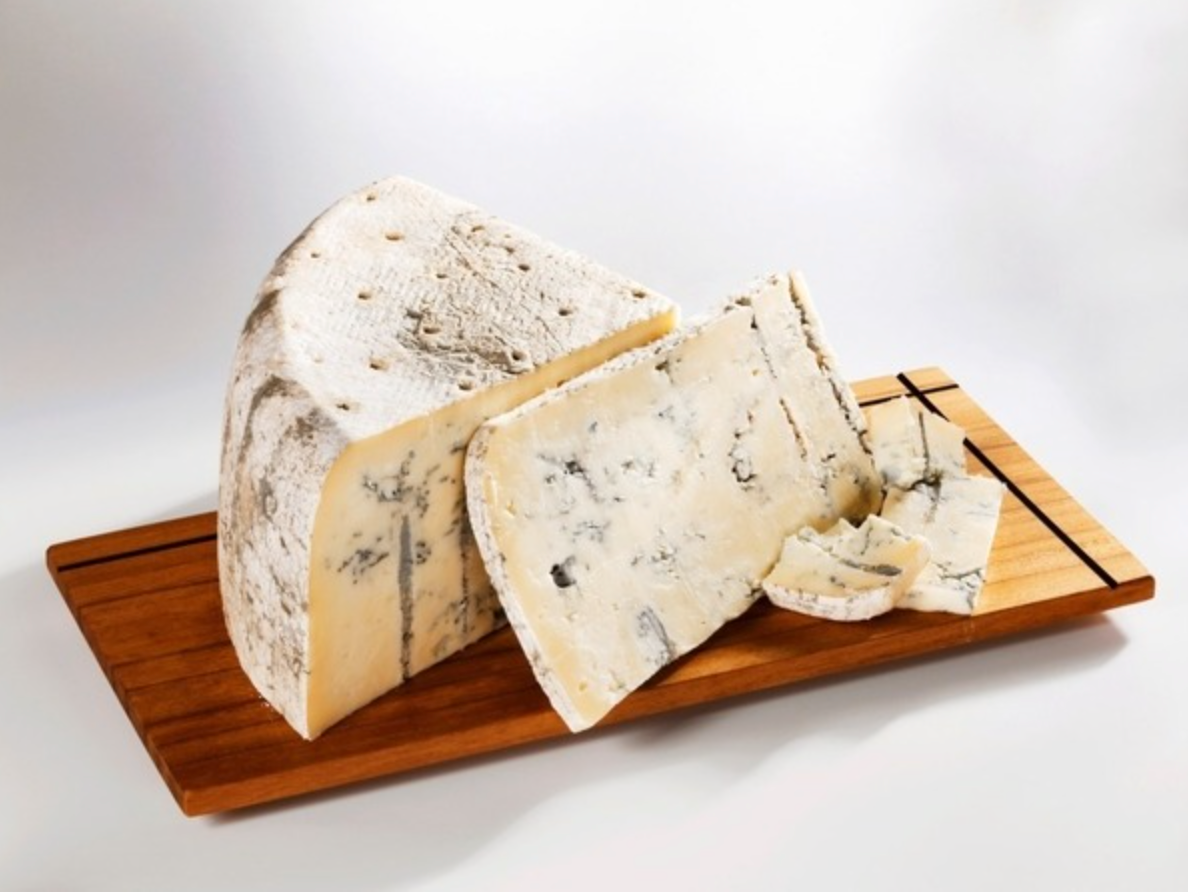
Cheese in general is popular in Korea, but blue cheese is sometimes treated as a category of its own.
Many people avoid it, saying it “smells moldy” or is “too fermented,” giving the impression that it is favored by only some wine lovers.
🌶️ 6. Mala Tang(마라탕)

This spicy and numbing hot pot dish originated in China and is gaining popularity, especially among young people in Korea.
However, even some Koreans who enjoy spicy food feel that the mala-style “numbing sensation,” which differs from the heat of chili peppers, is on a whole different level.
On Korean social media, you often see comments such as, “I can handle spicy food, but I just can’t deal with that numbing sensation.”
🍕 7. Pineapple Pizza(파인애플 피자)

The debate raging around the world is no different in Korea.
People are sharply divided between those who say, “Don’t put fruit on pizza,” and those who say, “It’s deliciously sweet and salty.”
They are also available as menu items at Korean pizza chains, but although they attract attention, it seems that relatively few people actually order them.
🐟 8. Hongeo (홍어) — Fermented Skate

This is fermented skate, a specialty of Jeolla-do (Chollado).
Its distinctive ammonia-like smell is extremely strong, and even among Koreans, it is often described as something that crosses the “limit line.”
Although it is a local dish that has been loved in the region for a long time, many people from Seoul and other areas say, “I can’t handle it just because of the smell.”
Even in Korea, where people are highly accustomed to fermented foods, hongeo is often treated as a dish in a class of its own.
🌊 9. Sea Cucumber and Sea Squirt (해삼/멍게)

These are commonly found ingredients at Korean seafood markets, but opinions vary widely based on their appearance, texture, and briny aroma.
Hoya in particular is an ingredient that many people struggle with due to both its smell and texture, and quite a few people say they “can’t accept it based on its appearance alone.”
People who grew up in regions where seafood is a familiar part of daily life are often fine with it, making it one of the ingredients where differences in familiarity are particularly noticeable.
🗒️ Trivia for Traveling in Korea
✅ A phrase for politely declining food you’re not comfortable with
『저는 좀 힘들어요(チョヌン チョム ヒムドゥロヨ)』
Literally, this means “It’s a little difficult for me.” It is a polite Korean phrase for telling someone that you have difficulty eating something. It doesn’t sound pushy, and the other person will naturally understand.
✅ There are also cases where Japanese people have a higher tolerance
Japanese people, who have a natto culture, may sometimes feel less resistant to cheonggukjang than Koreans do. Conversely, Koreans, who have been familiar with kimchi and doenjang since childhood, may be more accustomed to them. Tolerance for certain foods is greatly influenced by “how you were raised” and “familiarity.”
✨ Summary
Let’s look back at all nine points together.
☑ Cheonggukjang ― Many Koreans dislike the smell of fermented soybeans
☑ Seonji haejangguk ― Its pitch-black appearance from the added ox blood can be a major barrier
☑ Mint chocolate ― The “toothpaste” debate regularly becomes a hot topic on social media
☑ Cilantro ― Since it is not traditionally used in Korean cuisine, people are not accustomed to it
☑ Blue cheese ― Often avoided because of its strong fermented smell
☑ Mala tang ― There is a certain number of people who dislike the “numbing” sensation more than the spiciness
☑ Pineapple pizza ― Opinions on the sweet-and-salty combination are sharply divided
☑ Hongeo ― Its intense smell is described as a “limit” even within Korea
☑ Sea cucumber・Sea squirt ― Preferences are divided due to the triple challenge of appearance, texture, and smell
When you come across these during your trip to Korea, you can either take on the challenge or politely decline. Both are perfectly valid choices. Food preferences and dislikes are deeply influenced by culture and upbringing. Korea is no exception when it comes to there being no dish that appeals to everyone.


Yeppuriko has brought you reliable Korean information you can trust, helping Korea feel closer and more accessible.
Related Columns
- Korea Starbucks LEAF TO COFFEE: 6 items, 2 mugs not in stores
- Busan PASS: The Difference Between BIG3 and BIG5
- 8 HYBE sacred spots and how to get around Seoul
- 10 Must-Buy Items at Korean Convenience Stores, Starting from 900 Won
- When it comes to taking Korean ramyeon home, the deciding factor is the toppings
- The 3 Korean transit cards — which one is actually the right choice?